Usability testing is basically watching real people use your product and noticing where they struggle, hesitate, get confused, or completely give up.
That's it. Not fancy dashboards. Not "we think users will like this." Not internal team opinions. Just actual humans trying to do actual tasks.
You design a food delivery app. You think the "Apply Coupon" button is super obvious. Then during testing, 7 out of 10 users can't find it. Now the problem is not the users - **the design is the problem.**
Simple Definition
A usability test is when you give users a real task and observe what happens. You watch: where they click, where they stop, what frustrates them, what feels easy. The goal is not to test the user. The goal is to test whether your product makes sense.
Good usability feels invisible. When a product is truly easy - people don't praise the UX, they simply complete their task without stress.
What Happens During Testing?
- Prepare realistic tasks
- Invite representative users
- Observe silently - without helping
- Note problems and patterns
- Improve the design, then test again
Types of Usability Testing
Moderated Testing
You sit with users live and observe. You can ask "What are you thinking here?" Best for deep, nuanced insights.
Unmoderated Testing
Users test alone and you watch recordings afterward. Faster and cheaper - great for validating flows at scale.
Remote Testing
Done online through Zoom or dedicated tools. Very common now - recruit participants from anywhere.
In-Person Testing
Face-to-face. You observe body language - confusion, frustration, hesitation. Rich signals recordings miss.
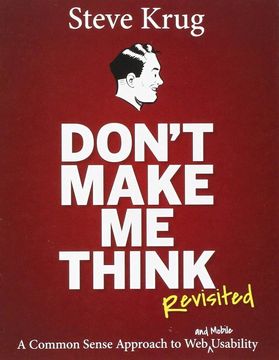
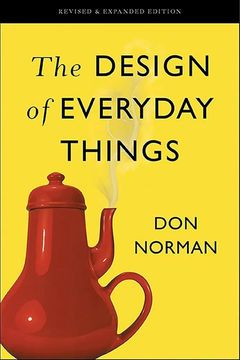
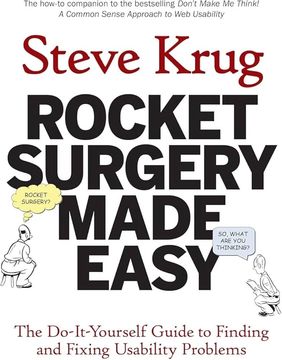
Essential Books
One Important Thing Beginners Miss
Usability testing is not about asking: "Do you like the design?" That feedback is weak. Better questions:
- "What were you expecting to happen here?"
- "What confused you in that step?"
- "What would you do next?"
- "Was anything frustrating?"
Not making users say 'Wow, nice UI.' But making them not think at all. That's the goal.